A. INTRODUCTION
C. MILK
D. CHEESEMAKING
E. RIPENING
F. PLACEMENT OF CHEESE AT THE SHELVES
J. FOOD PACKAGING AND STANDARDIZATION
PREFACE
This handbook is the effort of the researchers of the Institute of Veterinary Research to give the cheesemakers brief instructions for the most effective management of a small cheese factory, in order to produce safe and quality cheese products.
Our country has a long and rich tradition in the production of dairy products, which are mainly produced from sheep and goat milk and to a lesser extent from cow milk. It is therefore the duty of the research staff of our institute to publish a simple and popular handbook that will provide instructions and advice to cheesemakers, regarding the optimal handling of milk from the moment of milking until its conversion to cheese, and then of the cheese, from its processing to its ripening, and availability to the consumer public. At the same time, it will be a valuable tool in the hands of cheesemakers, to help them improve their facilities and equipment, but also to identify any problems in the production process and find simple solutions in them.
A. INTRODUCTION
The production of cheese is an art that goes way back to antiquity, and cheese is mentioned in historical texts as a valuable food item. It is a food item of high nutritional value, rich in proteins of high biological value that are largely broken down and therefore easier to digest.
In our country, cheese making has been developed to great extent, as cheese is considered the most important among dairy products. The geography of our country, with the distinct relief and the scattered small and bigger islands resulted in the production of many different types of cheese that depend on the milk, the special features of each place, their production technique and way of preservation. Thus, today more than 40 types of cheese are produced in our country, most of which are made from low-capacity and seasonally operated cheese factories, due to their production mainly from sheep and goat milk, which is seasonally produced. Many of those factories implement traditional methods, combined with modern technological means.
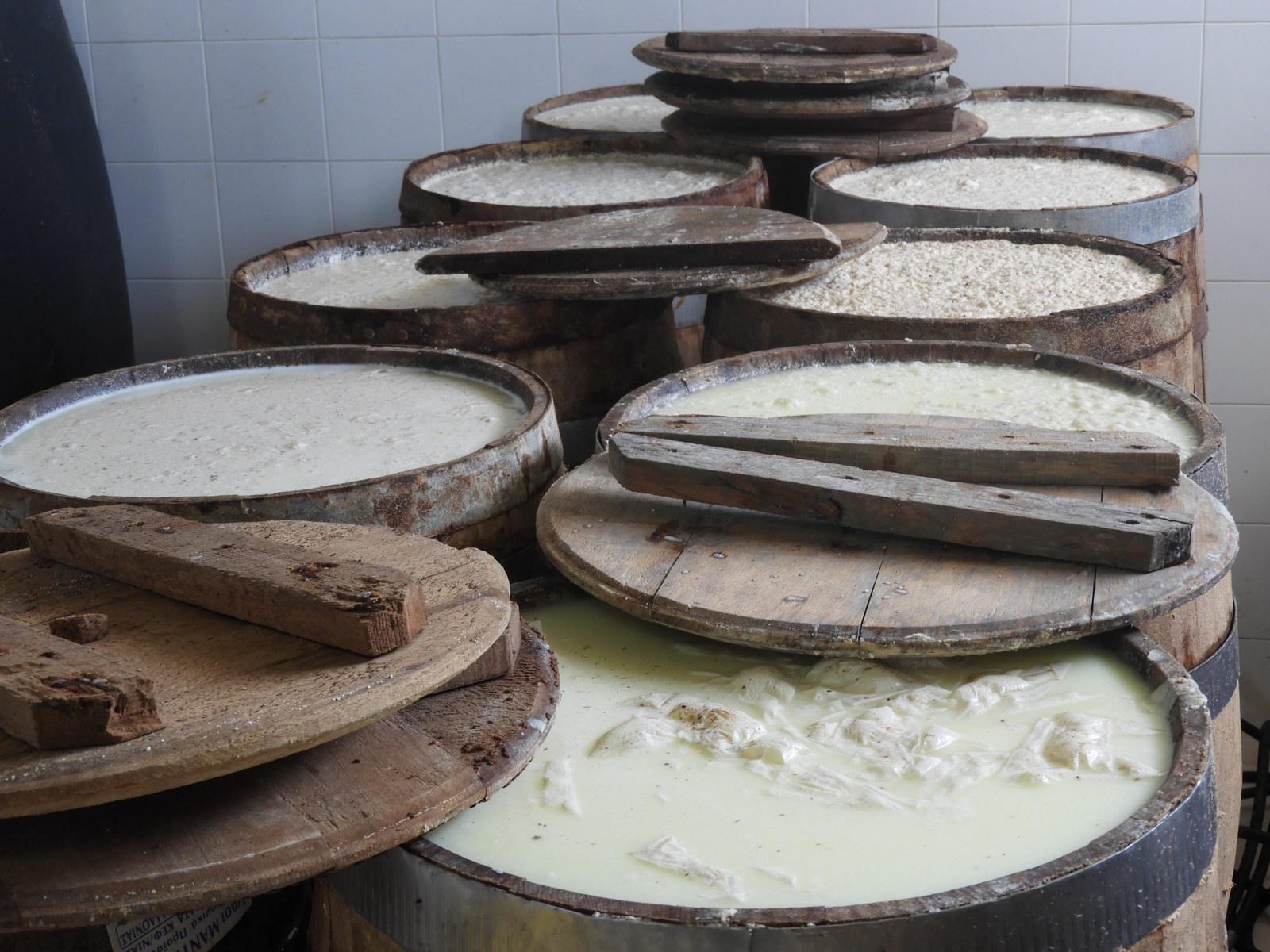
In the Ionian Islands, and Kefalonia in particular, where the largest quantity of sheep and goat milk is produced, there are 17 official cheese factories. The tradition of cheese production dates back to Homeric times, making the Kefalonians the oldest cheesemakers in Greece. The cheesemakers of Kefalonia gained international recognition with the "barrel cheese of Kefalonia", which is similar to Feta, and has a particularly strong taste and the hard cheese of Kefalonia "Kefalotyri", which is produced differently than in the rest of Greece.
In Zakynthos, the local cheese which is preserved in barrels with oil is called “Ladotyri of Zakynthos” and is mainly produced by farms from sheep and goat milk.
[UPWARDS]
B. CHEESE FACTORY PREMISES
1. BASIC REQUIREMENTS OF CHEESE PRODUCTION FACILITIES
- Ensure the facilities are clean, neat, without any trash, and maintained in good condition.
- They must be designed and constructed so as to allow proper hygiene and industrial practice rules implementation.
- Facilities must have an adequate supply of hot and cold drinking water.
- Have proper screens on doors and windows, to prevent access by insects, various animals and birds.
- Have adequate natural and artificial lighting.
- Have clean toilets, not directly connected to the food area.
- Have adequate and proper facilities for hand washing with soap and drying, e.g. disposable paper towels.
- Have adequate areas to store raw materials, finished products, cleaning products, etc.
- Have adequate facilities to wash utensils, surfaces that come into contact with food, etc.
- Have adequate sewage drainage.

2. CONSTRUCTION OF PREMISES
- Walls, floors, and other surfaces not into contact with food must be kept clean and in good condition, and made of brick, stone, metal, wood, or other acceptable materials.
- Surfaces that come into contact with the cheese, e.g. shelves, must be made of materials that cannot be a substrate for the growth of pathogenic microorganisms. Such materials are marble, stainless steel, or plastic suitable for food
- For these reasons, wood, plastic materials with holes, or other surfaces that allow the circulation of air between cheese and the contact surface, may be used, provided that all these surfaces that come into contact with the cheese are thoroughly cleaned and regularly disinfected.
- Elements from many materials may migrate inside the cheese, sometimes at non-acceptable levels, which are dangerous for health. Materials and objects into contact with cheese must therefore meet the suitability requirements for food, pursuant to current legislation.
- If it is necessary for air circulation and humidity control, e.g. in the ripening chamber, to have an open window, then the opening must be covered with a screen, to prevent insects and animals from getting in.
[UPWARDS]
C. MILK
1. THE COLLECTION OF MILK AT THE FARM
Proper milking procedure
One of the most important daily tasks in goat and sheep milk producing farms is milking. In semi-extensive/extensive rearing systems, milking is usually done manually, while in semi-intensive/intensive rearing systems, milking is done with machines (in a milking parlor). In any case, the adoption of mechanical milking is the best choice for the production of healthy and high quality milk, but also to ensure the health of the udder and the quality of work of the breeder.
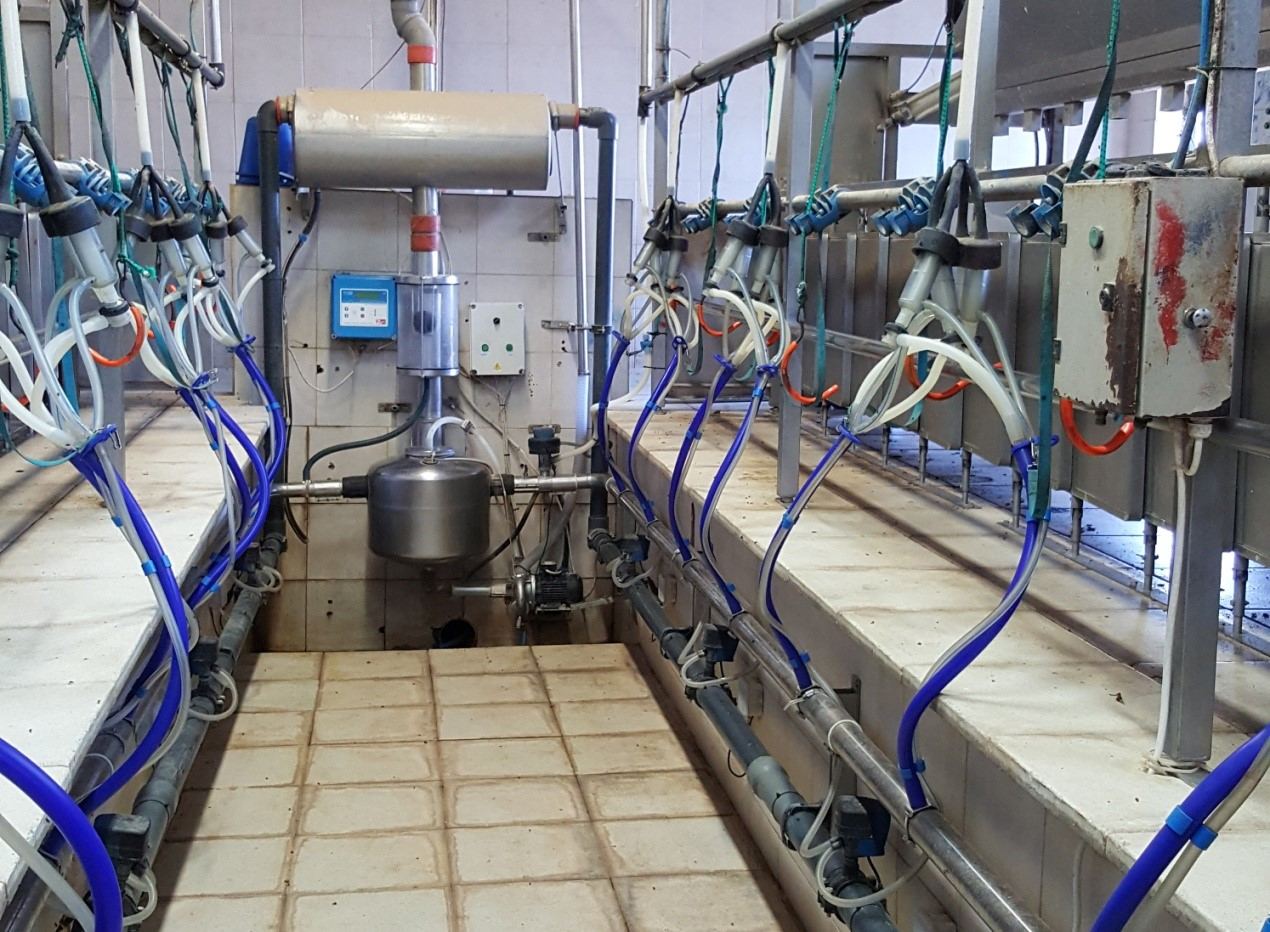
Requirements for proper milking:
- suitable layout of the animal waiting area
- education and training of personnel
- observance of standard milking procedures
- cleanliness and hygiene of the milker, animals and milking parlor
- suitable technological equipment
Standard milking procedures:
- We determine and observe the daily milking schedule (2 or 3 milking sessions per day).
- We lead the animals to the milking parlor without rushing. Handling should be gentle, without the exercise of force. Loud voices and whistles should be avoided, because they stress (frighten and upset) the animals out.
- We thoroughly wash our hands, dry them and then wear disposable gloves.
- We palpate and massage the udders to detect any lesions and stimulate the secretion of milk.
- If the udder is found to be red, hot, swollen or painful, it could imply mastitis, so we mark the animal, to milk it separately at the end. After milking an animal with mastitis, we must change our gloves or disinfect them.
- If the nipples are dirty, we wash and wipe them with an individual paper towel.
- Milk the first 2-3 rays of milk in a special cup with a grated bottom of black color to detect the presence of clots. In case of clots, there is a chance of mastitis, and process 5 must be followed.
- We place the nipple shields to the appropriate number of animals, to be able to efficiently monitor the progress of milking.
- Nipple shields shall remain on the animals, until udders are empty of milk. This takes about 2-3 minutes, depending on the milk production of the animals, the shape of their udder and the operating characteristics of the milking parlor. Extended use of nipple shields, after udder emptying, may cause mastitis.
- Before removing the nipple shields we drain the udder, to remove any milk left, avoiding excess milking, however.
- We then remove the nipple shields from the udder, after deactivate the vacuum inside. The removal of the nipple shields must be done gently.
- After removing the nipple shields, we check the animals to see which ones have milk again.
- After milking the group, we disinfect the nipples with the use of special disinfectants.
- We patiently remove the animals from the milking parlor. Handling should be gentle, without the exercise of force.
- We follow the aforementioned milking procedures for the next groups.
- When the milking of the entire herd is completed, we place the milking machine in the special slots, wash and disinfect the milking parlor using the appropriate disinfectants and according to the procedures provided by the manufacturer of the milking parlor.
What are we checking at the milking parlor:
- the height of the air vacuum (38-39 mmHg)
- the number of beats per minute (120-180 in sheep 70-120 in goats)
- the condition of the udders (dry, torn, cracked nipple shields should be replaced). The change of the nipple shields must correspond to the number of milkings or the hours of operation of the milking parlor and in accordance with the specifications of the parlor’s manufacturer.
- the operation of the pulsators
- the process of cleaning the milking parlor in three stages: washing - disinfection - rinsing
- the temperature of the water during the disinfection of the milking parlor (approximately 70°C)
- the dilution of the disinfectants used for the disinfection of the milking parlor
- regular change of filters
- its total condition and operation at regular intervals and in any case before the start of the milking period.
What are we checking during milking:
- observe the milking procedures described above
- the behavior of the milkers and the animals’ reactions
- the number of milking units per milker (8-12)
- the average duration of milking per animal (2-3 minutes)
- the average duration of milking per group of animals (10-15 minutes)
- the total duration of milking (1,5-2 hours)
- how fixed is the daily milking schedule
- the frequency and efficiency of cleaning and disinfection of the milking parlor.
2. THE PRESERVATION OF MILK AT THE FARM
Regarding milk preservation at the farm:
Preservation in an ice box.
The ice box MUST:
- be kept clean, dry and tightly closed
- be thoroughly washed and disinfected with the recommended disinfectants after being emptied, and before accepting milk again
- be checked in terms of temperature and kept at 3-4° C, as long as it has milk in it.
- Milk may NOT be kept for more than 24 hours.
Preservation in churns.
Milk containers MUST:
- be thoroughly washed after being emptied
- be stored at a clean and shady space
- be kept at shady spaces until delivery and
- be cooled down (with running water). The milk temperature must within 2 hours drop below 10ο C, otherwise it must be delivered to a collection station.
- Milk must be filtered (drained) properly immediately after milking, to remove any pieces falling during manual milking.
- Milk may NOT be kept for more than 24 hours.
3. DELIVERY OF MILK
Milk intended for cheese making must be of very good quality, regarding its sanitation. When milk is delivered to the cheese factory, the following must be taken into account:
- May contain pathogenic or altering microorganisms.
- May contain traces of antibiotics from treatments administered to animals, because waiting times were not observed.
To check those risks, the following must be done:
- The cheesemaker should be getting milk from producers who implement a good system of hygienic management of their herd, especially in terms of mastitis and communicable diseases check.
- Upon delivery, to always check the temperature of milk, and accept it when it is 6° C or lower.
- To always do a visual check of the milk, for any visible problems, such as blood or clots.
- If the milk comes from the farm of the cheesemaker himself, to have it maintained at a temperature of 6° C or lower.
- If possible, to accept milk that has been milked less than 24 hours in advance.
- To ensure that the milk is within the limits of the Total Mesophilic Flora, defined by law.
- To verify that milk has no traces of antibiotics. The existence of antibiotics in milk results in the suspension of the proliferation of lactic acid bacteria during cheesemaking, which prevents the generation of the required acidity, and the curd remains soft and elastic.
4. MILK PRESERVATION
The cheesemaker must know that:
- Raw milk may contain dangerous or altering bacteria, that can multiply fast if its storage temperature is not proper for a long period of time.
- Utensils and devices that have not been properly cleans may also contaminate the milk.
To check those risks, the following must be done:
- Milk must be stored at a temperature lower than 6°C.
- The milk must be turned into cheese within 36 hours from milking
- To daily inspect the milk preservation devices (ice box), for proper operation, cleaning and disinfection.
- If the milk was bought from different farms, it should be checked about whether the supplier adhered to the aforementioned requirements.
5. HEAT TREATMENT OF MILK
Prior to its conversion into cheese, milk must undergo heat treatment. Pathogenic and altering microorganisms can survive and grow, if:
- Proper temperature or proper heat treatment time is not achieved.
- The pasteurized milk is mixed with raw milk or if milk is insufficiently heat-treated.
Inspection of these risks:
- Ensure the correct operation of the thermometers that are used to control the proper pasteurization temperature. • Pasteurization requires a temperature of 72° C for 15 seconds or an equivalent combination, e.g. 63° C for 30 minutes in open type pasteurizers.
- Daily check that the flow reversing valve in closed type pasteurizers works properly, so that the milk that was not heated in the right temperature and duration can return to be properly pasteurized.
- Check that the heating plates in the high pasteurization pasteurizers do not leak.
- Check that the milk was properly pasteurized, by testing alkaline phosphatase, which must be negative.
- Check of the proper maintenance and setting of the equipment used for pasteurization.
6. MILK THERMIZATION
Thermization is a heat treatment process, during which the milk is heated at a temperature between 57ο C and 68ο C for at least 15 seconds. Thermization does not ensure that all pathogenic bacteria are eliminated, therefore it is not recommended.
7. MILK INSPECTION
According to the Regulation (EC) number 852/2004, Article 4, Food Businesses Managers must comply with the microbiological criteria through sampling, analysis and corrective actions.
Raw milk: The microbiological criteria of raw milk are mentioned in the Regulation (EC) number 853/2004, Section IX, chapter ΙΙΙ, paragraph 3 and 4.
a) Raw cow milk
• Microbial content at 30° C (per ml): ≤ 100 000 (*)
• Body cell content (per ml): ≤ 400 000 (**)
b) Raw milk of other species (e.g. goat, sheep, etc.)
• Microbial content at 30° C (per ml): ≤ 1 500 000 (*)
c) Raw milk of other types intended for the production of fresh dairy products (without any prior heat treatment)
• Microbial content at 30° C (per ml): ≤ 500 000 (*)
Moreover, raw milk may be marketed if:
(a) does not contain antibiotic residues in a quantity that, in the case of any of the substances listed in Appendices I and III to Regulation (EEC) No 2377/901, exceeds the levels permitted under that Regulation; or
(b) the total of the various antibiotic residues does not exceed the maximum permitted value
*Rolling geometric average for a period of two months, with at least two samples per month.
**Rolling geometric average for a period of three months, with at least one sample per month, unless the competent authority specifies another methodology, in order to consider any seasonal variations in production levels
[UPWARDS]
D. CHEESEMAKING
The preparation of traditional cheese in farms with milk produced from animals rearing in it, using traditional methods and techniques, has significant advantages in terms of cheese quality. The use of raw milk in the production of cheese results in the creation of high quality cheese because:
- The unique aromas from grazing in natural pastures are not lost.
- The natural microbial flora of the milk, that affects cheese ripening and the preservation of its aroma, is not destroyed.
- Some enzymes are not destroyed and others are activated and
Milk proteins are not deconstructed from the heat.
A necessary condition for the production of cheese from raw milk is that the raw material must be free of pathogenic bacteria that can infect humans. Practically this means that the animals are free of contagious for humans diseases and the rearing management conditions in terms of sanitation and milking are at an extraordinary level. It is known that salting, the reduction of moisture in the cheese during ripening, and the increase of acidity (lowering the pH) are stages of the production process during which a pathogenic microorganism found in the milk-derived cheese will be eliminated or reduced at safe levels. This, however, is not always enough to sanitize the product. If there is any doubt for the microbiological quality of the milk, then it should not be used without its prior sanitation with heat treatment, as defined by the Competent Authority of the country.
In Greece, due to the incomplete sanitation of the country's herds from communicable diseases to humans, it is allowed to produce cheese only from pasteurized milk.
1. STARTER CULTURES
Starter Cultures (SC) are cultures of microorganisms used in cheese-making to produce lactic acid during controlled fermentation of lactose with a simultaneous/consequent drop of pH.
The drop of pH is particularly important in the production technology, in terms of composition, structure, and ripening of cheese, due to the effect of rennet in the syneresis, the dissolution of calcium, and the inhibition of growth of unwanted microorganisms.
Moreover, SC contribute to the structure of cheese, as well as in the formation of the characteristic holes, through the production of carbon dioxide. Also, they contribute to the safety of the product, by reducing the pH, and the competition with the pathogenic microorganisms.
The taste and aroma of cheeses are determined/affected by SC with the action of enzymes (peptidases, , lipases), and the metabolism of citric acid.
The types of cultures used in cheese-making are the following:
- Mesophilic (excellent growth temperature ~ 26-30οC, Leuconostoc, Lactococcus in Feta and surface ripening)
- Thermophilic (excellent growth temperature ~42οC, Streptococcus thermophilus, Lactobacillus delbrueckii subsp. bulgaricus)
- Secondary (propionibacteria, bifidobacteria, Penicillium, do not generate lactic acid)
If raw milk is used for cheese-making (under the conditions mentioned above), the addition of SC is not necessary, but it is necessary to add culture in case pasteurized milk is used for cheese-making.
In small cheese factories that daily produce small quantities of milk and do not have an organized microbiological laboratory, frozen SCs are the most suitable. Those cultures must be stored at a temperature of -18ο C. Manufacturers do not recommend using part of the package. These can be preserved, for few days, at a temperature lower than 6°C before being used, if properly frozen.
Cheese factories of bigger capacity may grow SC strains, using heat treated whole or skimmed milk. This however requires the absence of dangerous bacteria and bacteriophages that can usually be found in whey, infecting and killing microorganisms.
2. ADDING SC AND RENNET
During the addition of SC and rennet, the following risks might occur:
- Failure of the culture to function normally.
- Adding the wrong amount of culture or rennet.
- Contamination with dangerous bacteria either by the personnel engaged or by devices used when adding the culture or rennet.
Inspection of these risks:
- Purchase of rennet always from the same reliable company.
- Milk must be at the proper temperature when SC is added. A very high temperature may inactivate the culture, while a very low temperature may prolong the culture time, something that allows the multiplication of dangerous bacteria.
- Add the right amount of SC. A large amount of culture shall result in the production of a hard, dry and highly acidic cheese. A very small addition of culture shall result in the less than desired increase of cheese acidity, thus allowing the growth of dangerous bacteria at non-acceptable levels.
- Milk must be at the right temperature when rennet is added.
- Add the right amount of rennet. A very small amount of rennet results in a final product of high moisture, something that favors the multiplication of dangerous microorganisms. Too much rennet results in the reduction in the yield of milk in cheese, which is more of a commercial problem, than a food hazard. Rennet causes coagulation, good syneresis and whey release. The more the rennet, the better the syneresis, and whey release, keeping curd as cohesive as possible.
- Personal hygiene of the personnel engaged in cheese making. To not be a carrier of various infections.
- Ensure that all devices are clean and disinfected before use.
3. COAGULATION
The following risks may appear at this stage:
- Microorganisms may enter from the equipment or the environment.
- The SC being slow or defective, resulting in the low acidity of milk for a long time; something that would allow the growth of unwanted bacteria at non-acceptable levels.
Inspection of these risks:
- Ensure the proper cleaning of the premises and equipment.
- Use of active SC and the right analogy.
- Ensure that the product’s acidity is within the acceptable limits for this particular cheese being produced. This can be done with a simple pH meter during the cheese production stages.
4. DIVISION AND HANDLING OF CURD
This procedure might incur the following risk:
- Microbial contamination from the equipment and personnel.
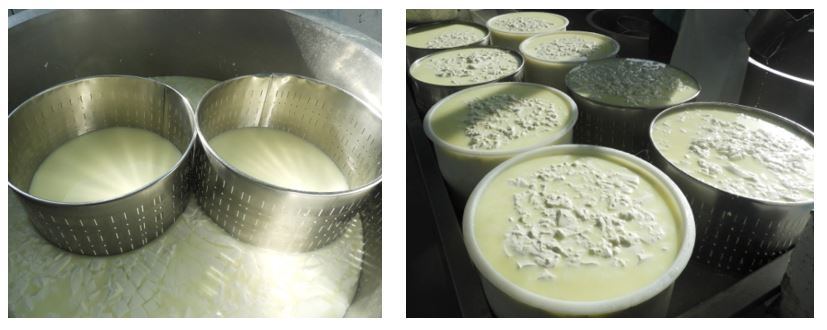
Inspection of these risks:
- Ensure that the tools used for curd cutting are clean and disinfected beforehand.
- Check staff for any infections (salmonellosis, open wounds)
5. SALTING, FILLING OF MOLDS AND PRESSING
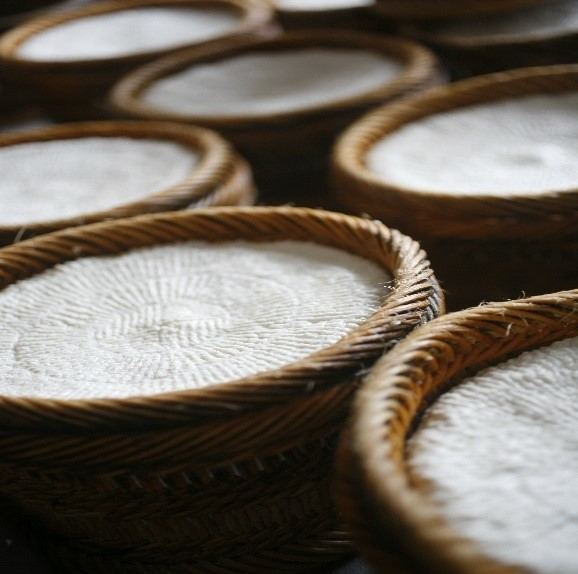
The main risks for these procedures are the following:
- Contamination of the curd from the salt or brine
- Contamination of the curd from the equipment, the cheese cloth, or the personnel.
Inspection of these risks:
- Store the salt in a clean, dry and well-ventilated space.
- Macroscopic examination of the salt for foreign bodies before being added to the cheese.
- Ensure that the entire equipment and cheese cloth is clean and disinfected beforehand.
- Check that the brine is at least 50% saturated. The more powerful the brine solution, the safest it is.
- Remove any curd pieces from the brine.
- Pasteurize brine and change it at regular intervals.
[UPWARDS]
Ε. RIPENING
Ripening is a critical stage in the creation of the final product.
1. The most important points that need attention are the following:
- Generally, it is necessary to ensure over 85% humidity in the space. If the humidity is low, then some corrective actions must be made in the ripening chamber, such as the use of a humidifier, or placing containers of drinking water on the floor of the ripening chamber, or covering the cheese with a clean cloth or paper.
- The temperature required for cheese to ripen is different for each type (depends not only from the type of cheese, but also from the producer and the production date). Also, the ripening stage and the time desired for its ripening are critical factors.
- Cheese must be inverted frequently, so that the moisture can be evenly distributed throughout its body. At the initial stages of ripening, cheese must be inverted daily and gradually every month for mature cheese.
- Some cheese develop fungi or bacteria on the surface (appearing as a thin coating of whitish or brownish red color), but this is part of the ripening process. Therefore, in this case, the ripening conditions must favor the growth of these fungi or bacteria.
- If this surface coating is not desirable, the cheese must be cleaned with the use of a saline solution (brine).
- Some cheeses do not ripen at the specified time, so the cheesemaker shall decide on the batches that are ready for sale.
- It is essential for the cheesemaker to know that views over cheese ripening vary, and occasionally do not coincide with those of consumers.
2. The growth of undesirable fungi or bacteria may occur when:
- Cheese is kept at improper temperatures or humidity.
- Ripening time is not enough to allow cheese to ripen properly.
- Fungi and bacteria contaminate cheese during storage, from the shelves where they are placed or the environment.
- Insects or other animals may enter the ripening chamber and contaminate the cheese.
Inspection of these risks:
- Storage of cheese at the right temperature, allowing the development of its aroma and structure, and eliminating the growth of undesirable bacteria. The recommended temperature must generally be lower than 15ο C, taking into consideration that it depends on the type of cheese and other factors.
- Storage at a space with the right humidity, which depends on the type of cheese. When the development of surface fungi or bacteria is undesirable, lower temperature is required, and when is desirable, higher temperature is required.
- Storage of cheese for the duration provided depending on its type.
- Ensure that the ripening chamber and the shelves where the cheese is placed are clean. It is advisable to have a cleaning schedule for the ripening chamber and the storage area and meticulously keep it.
- To ensure there is an inspection system to prevent insects or harmful animals from entering the ripening chamber, which might result in the contamination of cheese.
[UPWARDS]
F. PLACEMENT OF CHEESE AT THE SHELVES
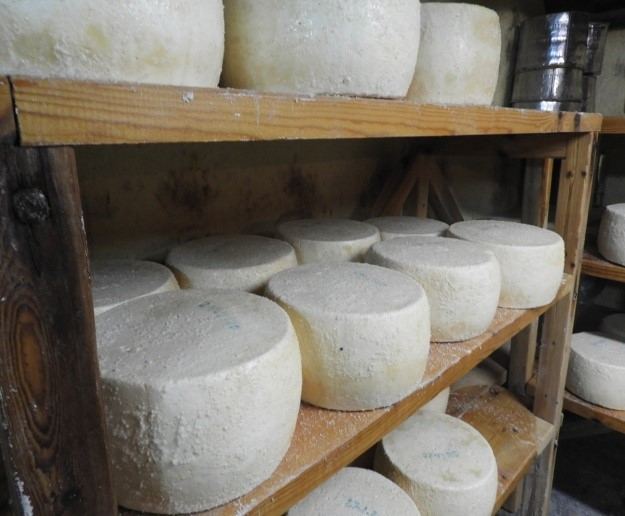
Wooden shelves are more suitable for storing hard and semi-hard cheeses. This requires the use of solid wood without cracks, which may be a source of germs and other pests. Wooden shelves must be thoroughly cleaned and disinfected with suitable disinfectants, strictly following the manufacturer's instructions.
[UPWARDS]
G. PROBLEMS/DEFECTS OF CHEESE
A. Problems of white brine cheese/ Feta type cheese
1. Unwanted gray mold on cheeses from undesired fungal growth
The growth of fungi is not dangerous, but degrades the appearance and aroma of cheese. Fungi grow on wet walls, especially behind wall coverings, where the paint is worn out and produce spores. These spores sit on the soft surface of cheese at initial stages of ripening, before the desired skin is formed on their surface. These colonies of fungi (mold) on the surface of the cheese can be cleaned with a brush and the help of a strong saline solution. Fungal spores in the air can be eliminated by spraying with a chemical solution suitable for food premises. In this case, the instructions of use of the manufacturer of those chemical substances must be strictly observed for safety reasons.
2. Early blowing
It is due to: Coliforms and especially in Enterobacter aerogenes, Escherichia coli and Klebsiella aerogenes, which ferment lactose and in addition to acid they produce CO2 and H2. The characteristic of this type of cheese blowing is the presence of many small holes (1-2 mm) on the cheese. If next to the small holes there are larger ones (3-6 mm) then yeasts also grow (Kluyveromyces lactis, Dekkera anomala, and Torulaspora delbrueckii).
Check:
- Pasteurization of milk to reduce the microorganisms that cause blowing and avoid contamination with proper cleaning of the cheese factory’s equipment.
- Acid production/acidification at the right pace and the right time using active starter cultures.
- Use of milk without antibiotics
3. Late blowing
Late blowing refers to the development of holes in the cheese after 1-2 months of cheese-making, during ripening and preservation. This defect is not common in brine cheeses, it is due to the growth of clostridia, and special reference will be made in the guide that describes the defects of hard cheeses.
4. Container swelling
This defect is usually confused with late blowing, but the difference here is that this is mostly an aesthetic issue and does not affect the quality of the cheese in terms of structure, taste and smell.
It is due to: The contamination after pasteurization by groups of microorganisms that produce gas and cause swelling of the metal containers and plastic packaging of the cheese.
Usually, when the problem is caused by heterozygous lactic acid bacteria
the consequences are not that serious. Moreover, some strains of bacilli (Bacillus spp.) may cause the containers to swell. In addition to the above microorganisms and the yeasts that may be in the brine can cause this problem. In this case the situation is more difficult, as the yeasts adapt to the adverse conditions of the brine.
Check:
- Avoid contamination of the brine by improving the hygienic conditions of the premises (thorough wall, floor and machinery cleaning)
- Pasteurization of brine
- If the packaging of the cheese is plastic, the product should be packed after the completion of its ripening and the air should be removed before packaging.
5. Structure change (Softening)
The cheese softens when it absorbs water from the brine in the package and the volume of the piece increases. The pieces then stick together and it is almost impossible to separate them. In some cases, even if the problem is not promptly observed, the cheese becomes particularly soft like mud and the cheese begins to rot. The color of the surface initially changes from white to yellowish and then brown due to the growth of yeasts and fungi. The smell becomes unpleasant, like that of a "rotten egg" and is unfit for consumption.
a. Softening of cheese with normal pH and moisture values
The softening of white brine cheese under normal pH values (~4.6) and moisture (~56%) is rare. It is happening when the concentration of salt in the brine of the packaging is lower than the concentration of salt in the cheese.
Check:
The concentration of salt in the brine of the packaging must be at least 2% more/over the concentration of salt in the cheese.
b. Softening of cheese with insufficient acidity and high moisture/high moisture content
This particular type of softening takes place when cheese with high moisture content and insufficient acidity are transferred earlier from the ripening chamber (16-18o C) to the refrigerator (4-5o C). At this low temperature it is not possible for the acidity to drop any further and under these conditions (relatively high pH and moisture) the proteolysis proceeds rapidly. Hence, the cheese becomes soft, the pieces swell and stick together and at the opening of the package there is an unpleasant smell of "boiled cabbage".
Check:
- The cheese pH must be below 5.0 twenty four hours after coagulation (moisture ~58% or less and salt concentration ~2.5%).
- Cheese must remain in the ripening chamber (16-18o C) to complete ripening and pH must be ~4.6 or less, moisture ~55% and salt concentration ~5.5-6.0%, in order to be transferred to refrigeration-preservation.
6. Slimy surface texture
The creation of a slimy texture in the brine of the package usually does not affect the organoleptic features of the cheese, although it does affect its appearance, making it less appealing to the consumer. The characteristic of this defect is that when the pieces of cheese come out of the container the brine has a slimy texture with increased viscosity. This is due to the exopolysaccharides generated by certain strains of lactic acid bacteria, which contaminate milk, cheese or even brine. However, commercial cultures used in cheese-making also contain strains that produce exopolysaccharides.
The microorganisms that cause the problem are strains of Lactobacillus plantarum or Lactobacillus pseudoplantarum, Alcaligenes spp., as well as strains of commercial cultures used for the production of yogurt (Lb. delbrueckii subsp. Bulgaricus and Streptococcus thermophilus).
Check:
- Meticulous selection of starter cultures, especially those used for the production of yogurt in order to exclude the presence of strains that produce exopolysaccharides.
- By taking every appropriate measure to exclude contamination of the milk to be used in cheese making after pasteurization of the cheese, as well as of the brine, with good cleaning and disinfection of the equipment and the premises of the cheese factory.
- Brine can be a potential source of microorganisms, such as Lactobacillus plantarum, that could potentially create the problem, but this is not the case, as it can not withstand the high concentration of salt in brine (16-18%). However, the cheese might be contaminated and the problem will appear in the final packaging (plastic containers), where the brine also contains a smaller amount of salt (8-9%). In this case, the concentration of salt in the brine must be increased. In any case it is good to periodically change the brine or pasteurize it before use.
B. Problems of hard/semi-hard cheeses
1. Bitter taste
Bitterness in hard cheeses is almost always the result of too much hydrophobic peptides derived from caseins. Bitterness is a serious problem for low-fat cheeses, due to the limited partitioning of hydrophobic peptides in the fatty phase.
Bitterness in cheese is due to uncontrolled proteolysis that causes excess production of bitter peptides (usually due to the enzymes of rennet) or insufficient action of peptidases that break down hydrophobic peptides into free amino acids.
Check:
- Check for psychrotrophic microorganisms/bacteria in the milk. Heat-resistant proteinases may be responsible for bitter peptides.
- Check the efficiency of rennet/addition of enzymes to accelerate ripening.
- Inspect the efficiency of the starter culture/peptidases action.
- NaCl concentration inspection
- Check the fat content in the cheese.
2. Hydrolytic rancidity
The rancid taste in cheese is mainly a result of the hydrolytic rancidity and is linked to the action of lipases on milk fat triglycerides and the production of free fatty acids.
The lipolytic agents in cheese come from the following sources:
- Milk contains a large amount of lipoprotein lipase. This enzyme is destroyed with pasteurization and its presence may cause lipolysis in cheeses made from raw milk.
- Rennet probably contains lipolytic enzymes. Commercial rennet-extracts usually do not contain lipases, but some rennet in the form of paste that are used for the production of certain cheeses (provolone, pecorino and some traditional) contain lipase.
- The starter culture lactic acid bacteria, as well as NSLABs are usually weakly lipolytic and their intracellular lipase-esterases barely contribute to the lipolysis of semi-hard cheeses.
- Exogenous lipases used to accelerate cheese ripening.
Where to pay attention, if during ripening there is an undesired rancid taste.
- The possible use of raw milk for cheesemaking
- The potentially high population of psychrotrophic microorganisms in raw milk that produce heat-resistant lipases.
- In the ripening at higher temperatures or/and for a longer period of time.
- In the change of the starter culture used and/or the action of the native lactic acid bacteria during ripening.
- Probable lipolytic action of the rennet used
- The presence of fungi during ripening
- The probably lipolytic action of the enzymes used to accelerate ripening.
3. Late blowing
Late blowing is a serious problem that occurs in certain hard cheeses and is caused by anaerobic fermentation of lactic ester in butyrate by Clostridium spp. strains (especially C. tyrobutyricum).
Check:
- Minimize the presence of spores in milk, by maintaining proper hygiene and avoiding feeding animals with inappropriate silage.
- Spore germination, and the growth of clostridial stem forms can be inhibited with the use of nitrates or lysozyme.
- Spores can be removed from milk by centrifugation or microfiltration.
Generally, centrifugation, increased NaCl in cheese and low ripening temperatures contribute to the reduction of CO2 production due to Clostridium spp.
4. Problems in the structure and texture of cheese
The structure of hard or semi-hard cheese is determined/depends on:
- The composition of milk
- The rate and extent of acidification of the curd
- The degree of heating and removal of moisture
Cracks
Cracks can be caused by gas production from the fermentation of lactose. Are due to:
- Dehydration due to insufficient moisture in the ripening chamber
- Sudden temperature fluctuations in the ripening chamber
- Rapid development of acidity during cutting and reheating of the curd
- Internal pressure from the production of gas
- Uneven cutting of the curd
- High pressure at early stages on hard cheeses
- Problem in the unification of the cheese pieces (excess fat, salt)
- Use of milk with low fat or increased acidity
Check:
- For mastitis in milk, to achieve the desired development of acidity.
- For the desired decrease of pH and increase of acidity.
- Even curd cutting
- Proper draining
- Application of the right pressure
- Proper temperature and humidity conditions in the ripening chamber
- Use of coating materials, such as paraffin
[UPWARDS]
H. UNDESIRED INSECTS AND ANIMALS INSPECTION SYSTEM IN THE PREMISES OF THE RIPENING CHAMBER AND STORAGE ROOM OF CHEESE
During ripening and preservation, the cheeses should not be exposed to flies, cheese parasites, rodents, etc. For this purpose, there has to be a inspection system for insects and animals, to prevent their access in the premises.
Such system includes the adoption of simple measures, such as:
- Doors should always be kept closed.
- Windows should have screens.
- Ensure that all doors close properly and prevent the entry of rodents.
- Prohibit the entry inside the cheese factory of pets (dogs, cats).
[UPWARDS]
I. TRANSPORTATION OF CHEESE
When transporting cheese with vehicles either to another facility to complete their ripening or to the market, the necessary measures must be taken to prevent contamination or deterioration. Hence, the means of transport must be checked for suitability.
In this case, the transportation time and weather conditions must be taken into account, in order to take the necessary protective measures. Refrigeration is not mandatory, but some types of cheese it is necessary (e.g. soft cheese). Refrigeration is also necessary during the very hot days of the year. Moreover, it is necessary to thoroughly clean the transportation means.
[UPWARDS]
J. FOOD PACKAGING AND STANDARDIZATION
1. PACKAGING
Product packaging is its placement in a special material for its protection and more efficient handling.
Packaging is supposed to protect the enclosed product, and also promote it.
During packaging, the following must be checked:
- The suitability of packaging materials and items
- Their cleanliness
- Intact food packaging
- The cleanliness of the packaging premises
- The cleanliness of the packaging machinery
- The observance of hygiene rules by the personnel working in packaging
- The conditions that prevail in the packaging premises
- The immediate storage of the packaged products
2. PACKAGING MATERIALS
The categories of materials and objects allowed to come into contact with the food are:
- Regenerated cellulose
- Elastomers and rubber
- Paper and cardboard
- Ceramics
- Glass
- Metals and alloys
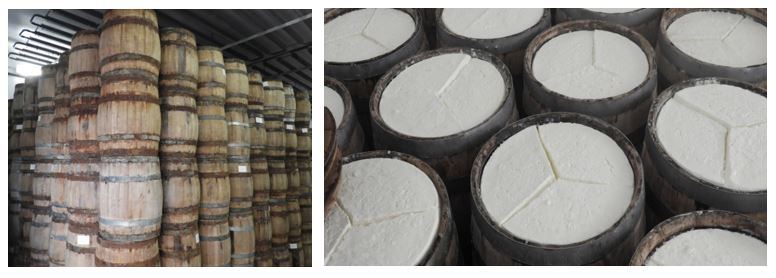
- Wood and cork
- Textile products
- Paraffin and microcrystalline waxes

3. PACKAGING MATERIALS REQUIREMENTS
- Appearance
The product’s packaging must be attractive, and allure consumer interest. - Cost
The cost of pricing should not overburden the price of the product - Recycling
Product packaging must be recyclable, hence environmentally friendly.
4. CHEESE PRODUCT PACKAGING
- Their original packaging, with which they are available in bulk from the cutting bench.
- Packaging/standardization in pieces, coming from the original packaging and are available in the refrigerators of the points of sale
5. TYPES OF CHEESE PACKAGING
They are determined by the type of cheese and market requirements and are as follows:
- Waterproof hard plastic containers or small tin cans
- Vacuum bags for vacuum packaging
- Paper
6. VACUUM PACKAGING
 If this packaging is used, the cheesemaker must be aware that it does not prevent the multiplication of dangerous microorganisms.
[UPWARDS]
ΙΑ. THE CHEESEMAKER’S DIARY
It is recommended for any cheesemaker to have a diary to record the following:
- Data on the raw materials used (milk, etc.).
- The used doses of raw materials.
- The stages of production.
- Recording the analyses and results performed in milk and cheese.
Thus, he can:
- Check the quality of the final product compared to the raw materials he used and the production process.
- Match the production batch with the raw materials used. For this reason, it is good to mark either the cheeses one by one or the shelves of the ripening chamber the cheeses of the same production batch are placed and to record them in the diary, so that if a problem arises he can know both the raw materials he used and the production conditions of the specific batch.
[UPWARDS]
BIBLIOGRAPHY
ABDEL-SALAM, M.H. and ALICHANIDIS, E. (2004). Cheese varieties ripened in brine, inCheese: Chemistry, Physics and Microbiology Volume 2, 3rd edn, P.F. Fox, P.L.H.McSweeney, T.M. Cogan and T.P. Guinee (eds.), Elsevier Academic Press,
Amsterdam, pp. 227±249.
ABDEL-FATAH, A.A., GOUDA, A., EL-ZAYAT, A.I., MEHANNA, N.SH. and YASSIEN, M.M. (1998). Microbiological quality of raw materials in relation to quality of Feta cheese. Egyptian J. Dairy Sci. 26, 309-318.
BERGERE, J.L. and LENOIR, J. (2000). Cheese manufacturing accidents and cheese defects, in Cheesemaking, 2nd edn, A. Eck and J.-C. Gillis (eds.), Lavoisier Publ., Paris, pp. 477-508.
CHOMAKOV, CH. (1967). Isolation of lactic acid bacteria causing ropiness of white cheese brine. Milchwissenschaft 22, 569-573.
COLES, R., McDOWELL, D. and KIRWAN, M.J. (eds.) (2003) Food Packaging Technology, Blackwell, Oxford.
COLLINS, Y.F., McSWEENEY, P.L.H. and WILKINSON, M.G. (2004). Lipolysis and catabolism of fatty acids in cheese, in Cheese: Chemistry, Physics and Microbiology Volume 1 General Aspects, 3rd edn, P.F. Fox, P.L.H. McSweeney, T.M. Cogan and T.P. Guinee (eds.), Elsevier Academic Press, Amsterdam, pp. 374-389.
CURTIN, A.C. and McSWEENEY, P.L.H. (2004). Catabolism of amino acids in cheese during ripening, in Cheese: Chemistry, Physics and Microbiology Volume 1 General Aspects, 3rd edn, P.F. Fox, P.L.H. McSweeney, T.M. Cogan and T.P. Guinee
(eds.), Elsevier Academic Press, Amsterdam, pp. 436-454.
FILTENBORG, O., FRISVAD, J.C. and THRANE, U. (1996). Moulds in food spoilage. Int. J. Food Microbiol. 33, 85-102.
FOX, P.F., GUINEE, T.P., COGAN, T.M. and MCSWEENEY, P.L.H. (2000). Fundamentals of Cheese Science, Aspen, Gaithersburg, MD.
GUERTS, J., WALSTRA, P. and MULDER, H. (1972). Brine composition and the prevention of the defect `soft rind' in cheese. Neth. Milk Dairy J. 26, 168-179.
GUINEE, T.P. (2004). Salting and the role of salt in cheese. Int. J. Dairy Technol. 57, 99-109.
GUNASEKARAN, S. and AK, M.M. (2003). Cheese Rheology and Texture, CRC Press, Boca Raton, FL.
HEIER, E., JANZEN, T., HENRIKSEN, C.M., RATTRAY, F., BROCKMANN, E. and JOHANSEN, E. (1999). The production, application and action of lactic cheese starter cultures, in Technology of Cheesemaking, B.A. Law (ed.), Sheffield Academic Press, Sheffield, pp. 99-131.
LIMSOWTIN, G.K.Y., POWELL, I.B. and PARENTE, E. (1996). Types of starters, in Dairy Starter Cultures, T.M. Cogan and J.-P. Accolas (eds), VCH Publishers Inc., London, pp. 101-129
McSWEENEY, P.L.H. (2004). Biochemistry of cheese ripening. Int. J. Dairy Technol. 57, 127±144.
McSWEENEY, P.L.H. and FOX, P.F. (2004). Metabolism of residual lactose and of lactate and citrate, in Cheese: Chemistry, Physics and Microbiology Volume 1 General Aspects, 3rd edn, P.F. Fox, P.L.H. McSweeney, T.M. Cogan and T.P. Guinee
(eds.), Elsevier Academic Press, Amsterdam, pp. 361-371.
PARENTE, E. and COGAN, T.M. (2004). Starter cultures: general aspects, in Cheese: Chemistry, Physics and Microbiology Volume 1 General Aspects, 3rd edn, P.F. Fox, P.L.H. McSweeney, T.M. Cogan and T.P. Guinee (eds), Elsevier Academic
Press, Amsterdam, pp. 123-147.
ROBINSON, R.K. and TAMIME, A.Y. (1991). Feta and Related Cheeses, Ellis Horwood, London.
MANTIS A., PAPAGEORGIOUS D., FLETOURIS D., AGGELIDIS D. (2015) Sanitation and Technology of milk and its products. Kyriakidis Bros. Publications S.A.
[UPWARDS]